Conferences in New Zealand are growing. The ones growing fastest have a community behind them, keeping people connected all year.
Conferences are on the rise in New Zealand. The latest Business Events Data Programme figures show 1,995 conferences held in the year to June 2026, up 9% on the year before, with conference delegate numbers up 7% to more than 360,000. Conferences now make up 37% of all business events, up from just over a quarter two years ago. Tourism New Zealand also reports association meetings in 2025 climbed back above 2019 levels, with a record number of international conferences booked.
People clearly want to be in the room but what's changing is how the best conferences fill it. More organisations are building a calendar of smaller, regular events around their flagship one, and the community that grows from those gatherings brings people back to the big event year after year. Make It Happen (formerly Girls in Business) is a great recent example. Their community grew all the way to a packed NZICC conference, and they now run founder dinners, awards nights and intimate gatherings across the year.
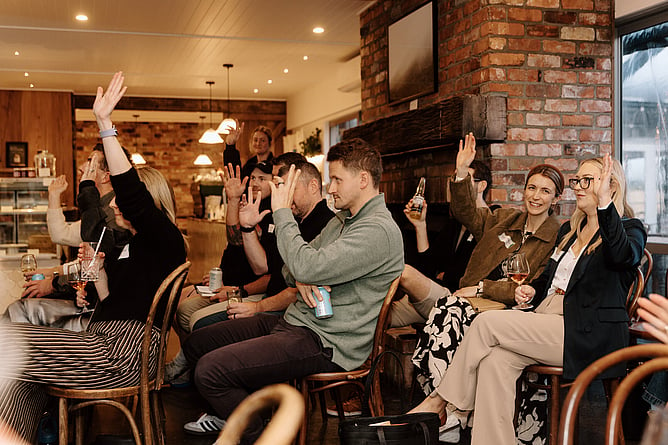
What is a community-led event strategy?
A community-led event strategy surrounds your annual conference or awards night with a year round programme of connected gatherings. Think smaller meetups, workshops, dinners and online touchpoints that keep the same group of people engaged between the big moments.
The small events build the relationships. The big event becomes the reunion everyone wants to be at.
Why does community make a conference stronger?
Because people come for each other. International research from Freeman found 51% of attendees say good networking is reason enough to return to an event. Real connection is hard to build in a single day with a few hundred strangers. It's much easier when people have already shared a coffee at a workshop or sat next to each other at a dinner.
The NZ data backs this up as more than half of business events here now have 50 to 100 people, and two-day formats are growing. People are enjoying smaller rooms and better conversations, then coming together for the main event.
Community also does your marketing for you. A group who loved your last conference, and has kept in touch since, will bring colleagues and friends along next time. Word of Mouth is the best ticket campaign you'll ever run.
And it keeps the impact going. Tourism New Zealand's Conference Legacy Project found 87% of delegates at NZ conferences said the event advanced their field. A year-round community carries that momentum well past the closing keynote.
What does this look like in practice?
WAM (Waikato Ambitious Middle) is a good example of how Lime Events are building a community around a shared idea. It's a group of 45 local business owners and leaders who meet regularly throughout the year. There are quarterly workshops led by business coach Di Foster, intimate fireside chats with well known business leaders and speakers and social events designed around connection.
Because members see each other often, every event starts warm. Conversations pick up where they left off, people bring along guests, and the group keeps growing through Word of Mouth.
We're also working with a new client on a community event for a completely different audience, built on the same model. It's an approach that works across industries, ages and interests.
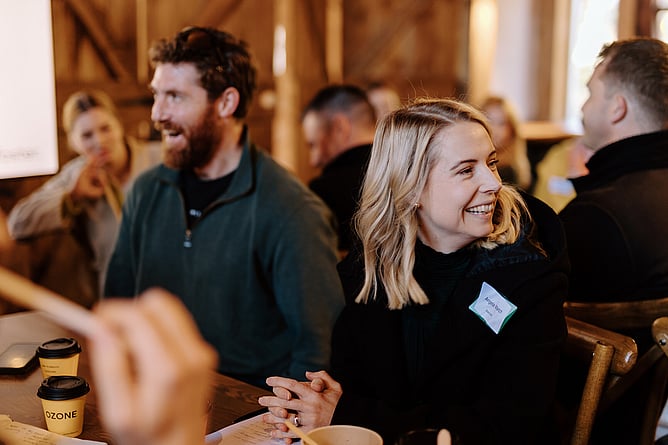
How can businesses use a year-round event strategy?
This works at any size. If your organisation already runs a big annual event, here's where we'd start:
• Start with the people. Who do you want in the room all year? Clients, partners, your own team, your wider industry?
• Set a rhythm. A quarterly breakfast or workshop, a mid-year dinner and your annual flagship is plenty to begin with.
• Keep the small events small. 30 to 60 people is the sweet spot for real conversation.
• Join the dots. Use content from your flagship event to kick off the smaller ones, and follow up within 48 hours of every event while the energy is high.
• Measure what matters. Track repeat attendance, referrals and introductions made, alongside ticket numbers.
For more on the why, have a read of why building community should be at the heart of your event strategy, and for ways to warm up a room fast, see our icebreaker ideas.
Frequently asked questions
Do community events replace an annual conference?
They work best together. Regular smaller events build the relationships and loyalty that bring people back to your flagship event, and help sell it to new faces.
How often should a community event run?
Quarterly is a great starting point for most businesses. It's frequent enough to keep momentum and realistic to deliver alongside a day job.
Following this connection points could build up to monthly or bi-monthly if the appetite is there.
Ready to build a year round programme?
If you've got an annual event that deserves more than one day of attention, we'd love to help you map out a year of events around it. Get in touch with the Lime Events team and let's talk about your community.


